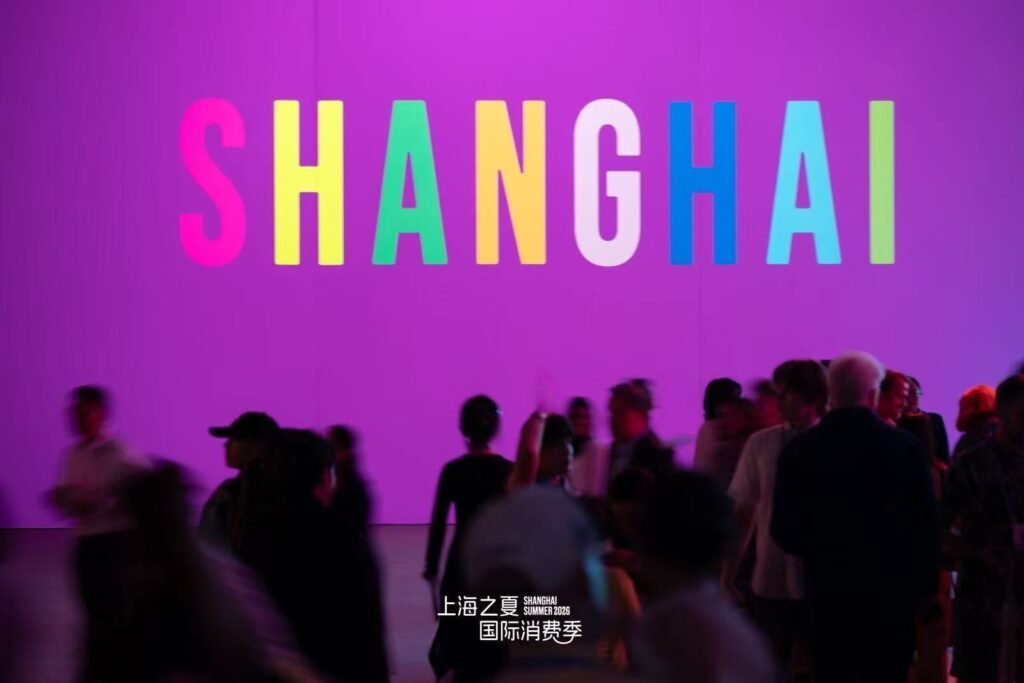
SHANGHAI, China — As the summer heat fades, Shanghai’s night-time energy begins to rise. From late-opening museums and waterfront DJ sets to immersive theatre, night markets, 24-hour bookstores and sunrise breakfasts, Shanghai Summer 2026 is transforming the city after dark into a destination in its own right.
Running from July to October, Shanghai Summer 2026 spans the summer holiday, Mid-Autumn Festival and China’s National Day period. Alongside the citywide consumption season, the 2026 Shanghai Night Festival, themed “Shanghai After Dark, More to Expect”, is bringing nearly 200 activities to commercial districts, neighbourhoods, parks, waterfronts and cultural venues across the city.
The programme centres on seven major night-time experiences — shopping, dining, entertainment, reading, performances, sports and sightseeing — extending the rhythm of the city far beyond conventional daytime hours.
Shanghai’s night-time economy is already a significant part of its tourism and consumption landscape. In the first half of 2026, the city recorded RMB 543.33 billion in total tourism-related consumption, up 8.75% year-on-year, with night-time tourism consumption reaching RMB 119.4 billion. International travel is also accelerating. Shanghai welcomed 5.31 million overseas visitors in the first six months of 2026, an increase of 27.82% year-on-year, including more than 5.02 million overnight visitors.
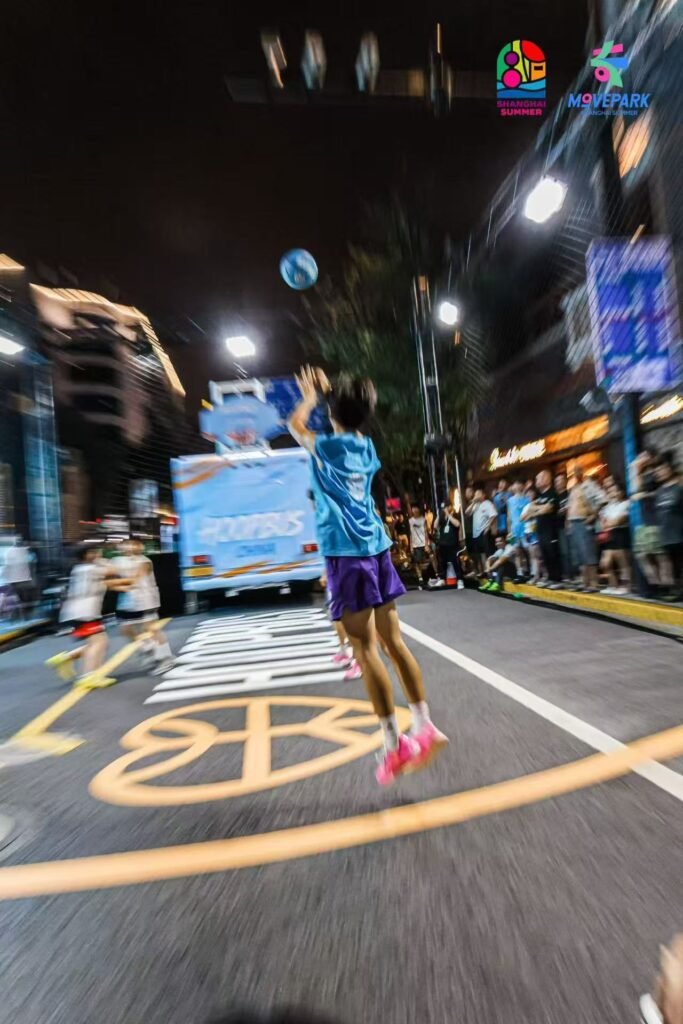
A City from Sunset to Sunrise
This year, Shanghai introduced a new Urban Nightlife Guide, structuring the hours from 6pm to 6am into seven chapters, from sunset and illuminated streets to midnight, the early hours and finally sunrise.
An evening might begin with a drink and an immersive performance such as Sleep No More, before moving into jazz clubs, intimate bars and live music venues during the city’s prime night-time hours.
After 10pm, visitors can explore late-opening cultural spaces such as Fotografiska Shanghai along Suzhou Creek, discover vinyl-focused listening bars, or continue into electronic music venues operating deep into the night.
The experience extends beyond nightlife in the traditional sense. Late-night hotpot, local comfort food and 24-hour bookstores offer quieter alternatives, while the early morning reveals another side of the city altogether.
At sunrise, visitors can watch the first light over the Bund before heading to a neighbourhood market for traditional Shanghai breakfast favourites.
Districts Build Their Own Night-Time Identities
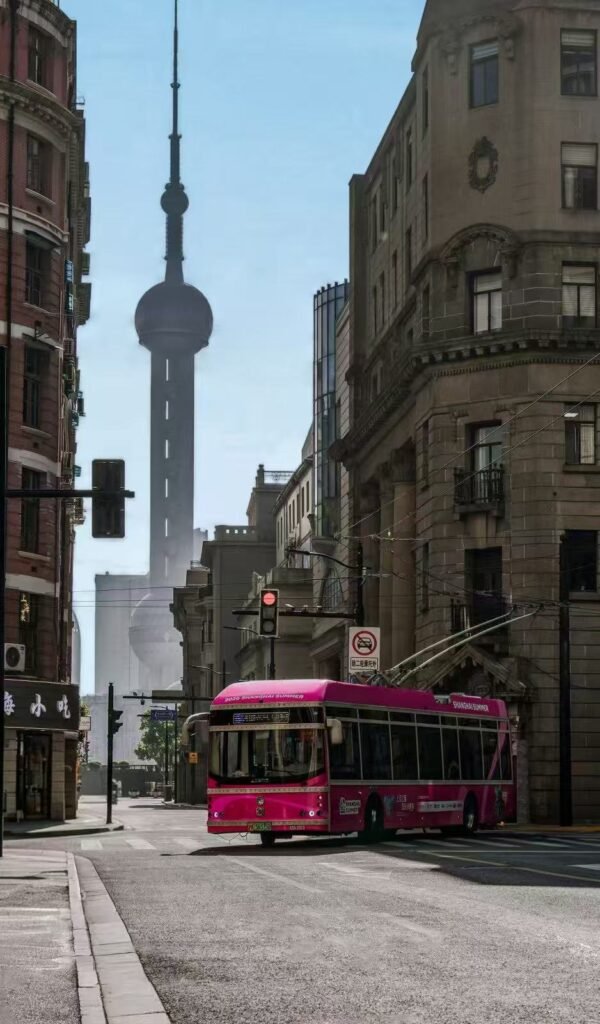
Across the city, different neighbourhoods are developing distinct after-dark experiences.
Along the Bund, BFC and Yuyuan Garden are creating a mix of family entertainment, cultural programming and nightlife. A 1,000-square-metre waterfront water attraction combines family activities, performances and evening entertainment, while a terrace music season brings together more than 10 music labels and over 30 DJs for weekend performances overlooking the Huangpu River.
The district is also hosting its first Thai Culture Month, supported by the Royal Thai Consulate-General in Shanghai, including an upgraded street water festival inspired by Thailand’s UNESCO-recognised Songkran traditions.
In Jing’an, evening markets, bars, restaurants, pet-friendly venues and lifestyle spaces are extending activity around Nanjing West Road, with many businesses operating into the early hours.
Along the West Bund in Xuhui, selected venues are staying open later, supported by night-specific consumer vouchers available for use between 9:30pm and 2am.
In Changning, a new “BestNight” programme connects commercial areas through four themes — buy, eat, show and tour — linking Zhongshan Park, Hongqiao-Gubei, Linkong and Xinhua Road.
Beyond the Night Market
Shanghai’s night-time strategy is increasingly moving beyond simply creating more night markets.
This year, the city introduced its first evaluation framework for night-time consumption districts, assessing areas across consumer offerings, commercial vitality, environmental quality and operational support. The framework also considers international visitor spending, transport connectivity and links between culture, commerce, tourism, sports and exhibitions.
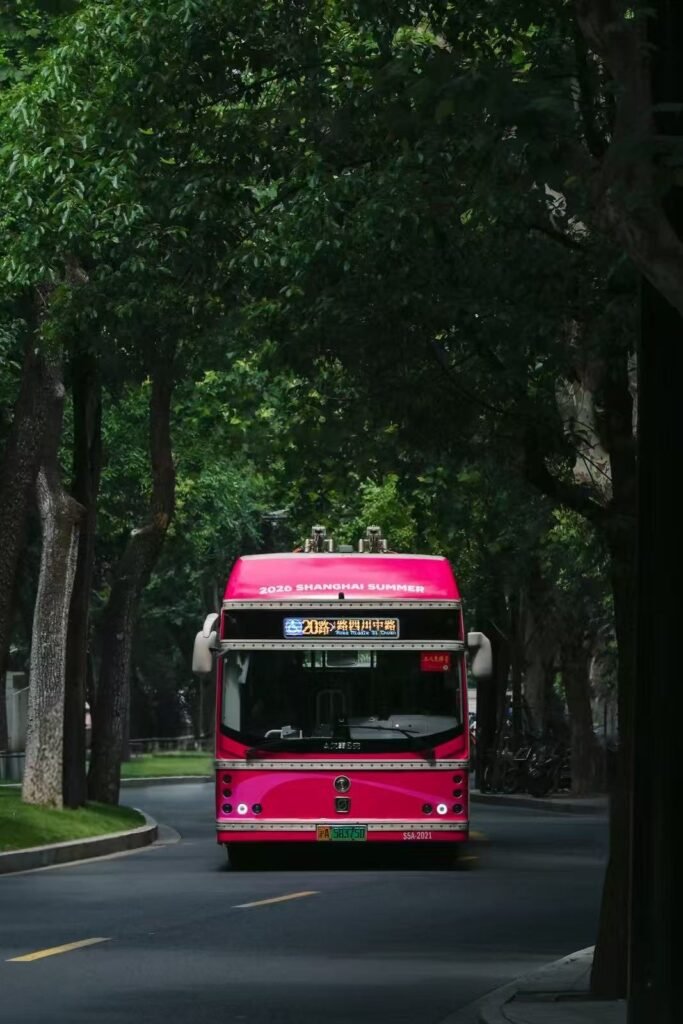
Extended opening hours, outdoor dining, night-time sports viewing zones, dedicated evening sightseeing buses, ticket-stub promotions and cross-venue discounts are also helping visitors move more easily between different parts of the city.
The result is a broader definition of urban nightlife — one that includes culture, food, entertainment, shopping, sport and public space.
From a museum visit after dinner to midnight cocktails, riverside music, late-night dining or sunrise on the Bund, Shanghai Summer 2026 is inviting residents and international visitors alike to experience the city on a different clock.
This summer, Shanghai is proving that when the sun goes down, the city still has plenty left to offer.
Shanghai after dark — more to expect.