
Leave Capri’s crowds behind for Italian islands where summer still moves at a decidedly unhurried paceThis story was originally published in 2023 and was updated on July 31, 2026. Lucy Kehoe contributed to reporting. Main photo by Karina Halley/Unsplash.
Capri gets the queues.
Sardinia gets the superyachts. But
Italy has around 450 islands and most of them couldn’t care less about impressing anyone. From volcanic outposts in the Aeolians and islets floating in glass-clear waters off
Puglia to the lake-tossed villages of Brescia, we’ve picked 10 of our favourite Italian islands for doing very little: swimming, eating, and hoping the ferry turns up on time. No beach clubs, no selfie lines and – sometimes – no phone signal.
Ponza, Lazio
Off Italy’s Tyrrhenian coast, Ponza’s striking white cliffs rise from the water as you approach by ferry or yacht. Reachable via ports south of both
Rome and
Florence, the island feels worlds away from either city. There are few hotels (
Hotel Chiaia di Luna is our pick), and even fewer cars; this is an island for lazy days of swimming, sunbathing and reading. You can reach a few sandy beaches by foot from the main town, but the island is best explored by hiring a little motorboat with a skipper for a day or two.
In recent years, Ponza has developed something of a VIP reputation, thanks to some celebrity visitors, but it remains laid-back at heart. Pack a picnic, or pootle into Cala Feola and grab a table at rustic
La Marina, where the white tables pop against the crystalline water below. Ponza is steeped in history: scholars believe it is the ancient island of Aeaea depicted in Homer’s Odyssey, and you’ll still find vast tree stumps from when it was settled in Etruscan times. If you feel like venturing somewhere even more remote, hop over to neighbouring Palmarola island for a dip in the clear blue waters.
La Maddalena, Sassari
Sardinia’s
Costa Smeralda (Emerald Coast) earns its nickname – the waters around the region have a luminosity that rivals the Caribbean. But a flipper flick away from southern
Corsica (or a short boat trip from the island), you’ll find more than 60 islands and islets making up the Maddalena archipelago.
Once a smuggler’s paradise, La Maddalena is proudly independent and culturally distinct from the mainland or Sardinia. On the eponymous main island, expect gelato-coloured houses and wobbly cobblestone streets; the uninhabited outposts nearby are wild, rugged and romantic, with beaches fringed by fragrant herbs. For snorkelling, make a beeline to Cala Coticcio on Isola di Caprera, and Spiaggia del Cavaliere on Isola Budelli to explore otherworldly pink granite rock formations.
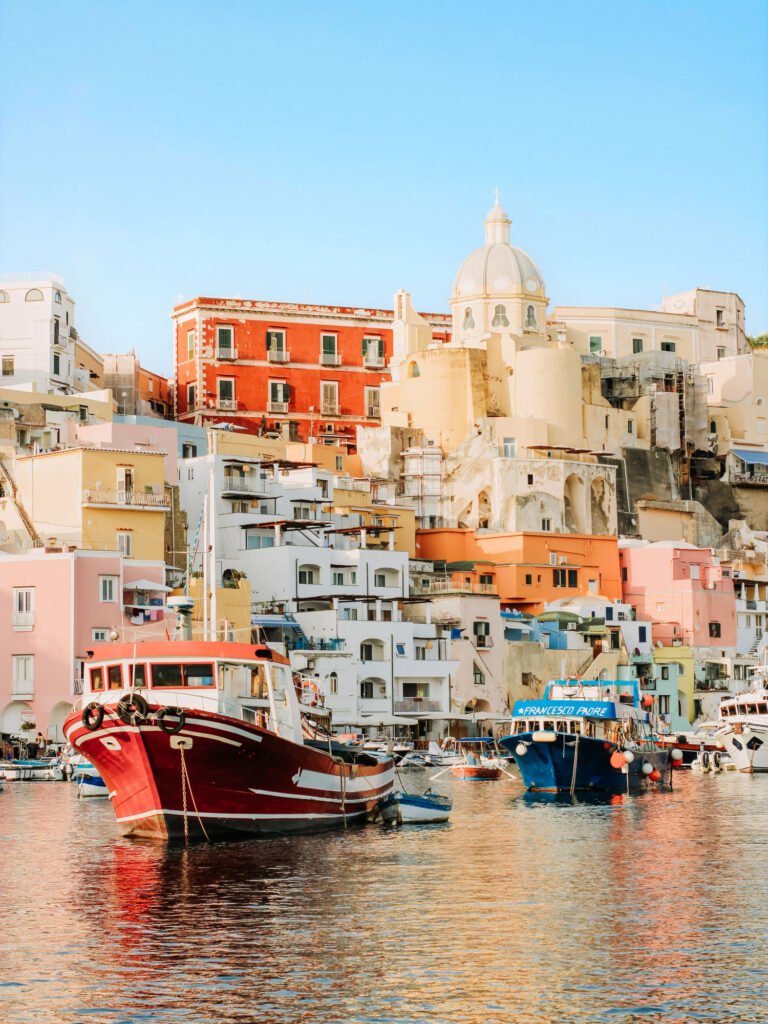
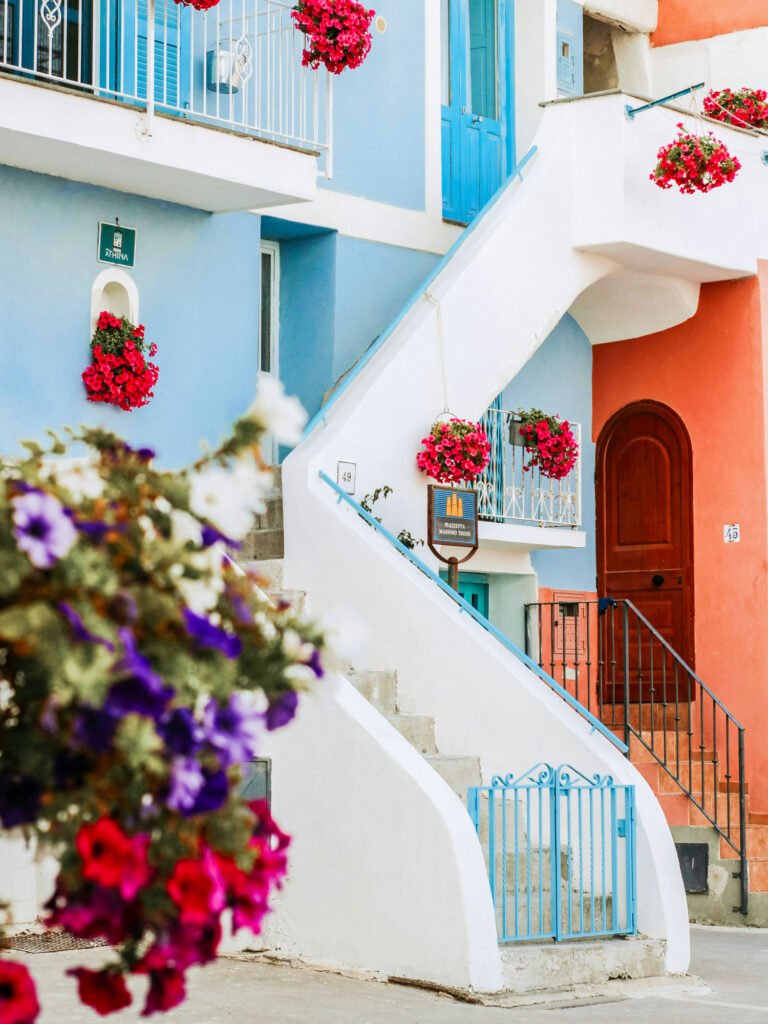
Procida has inspired novelists and filmmakers for decades | Photo by Nati/Pexels
Procida
Although it covers just 4sq km, Procida’s harbour, with its pastel-coloured houses and cobbled streets, has had more than its fair share of silver screen close-ups: its roads doubled as Mongibello for Jude Law, Matt Damon and Gwyneth Paltrow’s love triangle in The Talented Mr Ripley, and its fishing village of Marina Corricella featured in 1994’s Il Postino. About an hour’s boat journey from Naples, the island has lost none of its movie-star looks: washing flutters against colourful houses; 50cc scooters cough along winding roads so narrow that locals drive with their side mirrors tucked in. Explore fishing villages accessible only by foot, such as the aforementioned Marina di Corricella (or stay: the refurbished Fishermen’s Houses are cute), visit crumbling ruins across the island, such as the 16th-century fortress of Palazzo d’Avalos, then get down to what Italians do best: harbourside Il Pescatore is perfect for a seafood dinner.
San Nicola, Puglia
Puglia might be everyone’s favourite Italian destination this summer, but the lesser-visited quintet of the Tremiti islands some 22km off the Gargano peninsula are still something of a secret. Set within Gargano National Park, two of the islands are inhabited – San Nicola and San Domino – and promise sun-bleached cliffs and pristine sandy beaches. Cretaccio and Capraia are popular with snorkellers and divers, while the dinky Pianosa, the closest to Croatia, is a remote, empty outpost.
Ferries run year-round from Termoli port to San Nicola, the smaller and prettier of the two main islands. Summer visits here should involve snorkelling and chilled-out beach days; in the shoulder season, we’d recommend tracing hiking trails through shaded pineta (pine forest) in search of Neolithic ruins. For an adventure, take a boat over to Capraia to swim along the sheltered Cala dei Turchi beach. The water is almost always calm. Or, dive down to the submerged statue of the saint Padre Pio, which sits 12m below the waves between Capraia and San Nicola. You might spot tuna, groupers and octopus, too.
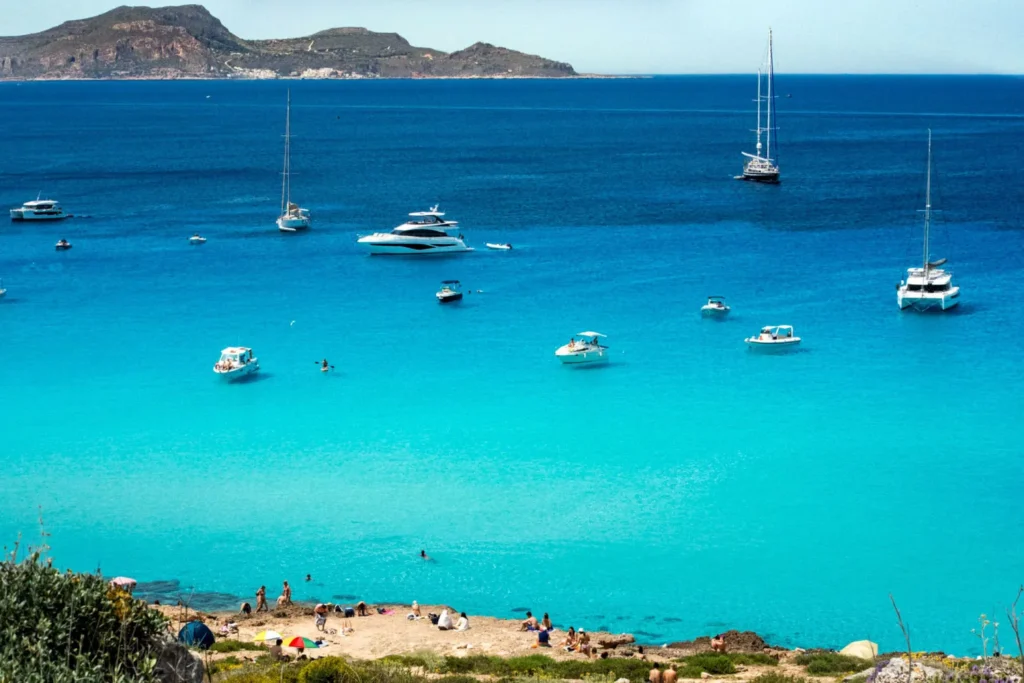
One of Sicily’s most famous beaches Cala Rossa is on Favignana | Photo by Mihaela Claudia Puscas/Pexels
Favignana, Aegardian (Egadi) Islands
Off Sicily’s western coast, the cluster of three small Egadi islands is about as far from the rest of Italy as you can get – you’re closer to southern Sardinia or northern Tunisia than to mainland Italy. The largest and most charming is Favignana, at roughly 20sq km. Expect exceptionally clear water off coves like Lido Burrone and Cala Azzurra, where local fishermen will take you out on a boat trip. Nature lovers should hop over to the smaller but no less lovely Marettimo, home to myriad bird species and native plants. The easiest way to reach the trio of islands is by ferry from Trapani.
Giudecca, Veneto
For contemporary art, craft and design, head to Giudecca, one of Venice’s 30 islands. Unlike the tourist hotspots of Murano and Burano, the old industrial quarter of the floating city has held onto its storied boathouses and factories. Giudecca’s contemporary art scene has exploded in the past two decades, transforming the island from a working quarter to one of Venice’s most exciting new districts. Uber-contemporary creative hub and exhibition space Spazio Punch, located in an abandoned brewery at the western tip of the island, makes a welcome break from too many frescoes and gilded ballrooms in the rest of Venice, while CREA Cantieri del Contemporaneo is a “contemporary arts intervention project” that hosts exhibitions, performances and hosts classes in cutting-edge art technology.
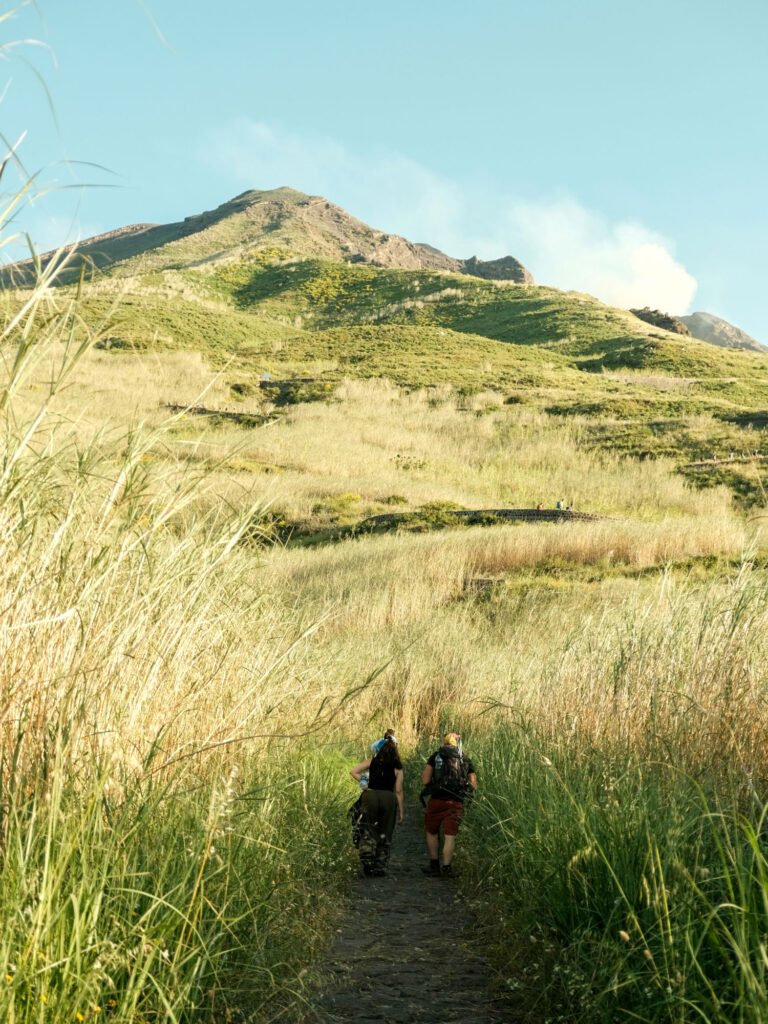
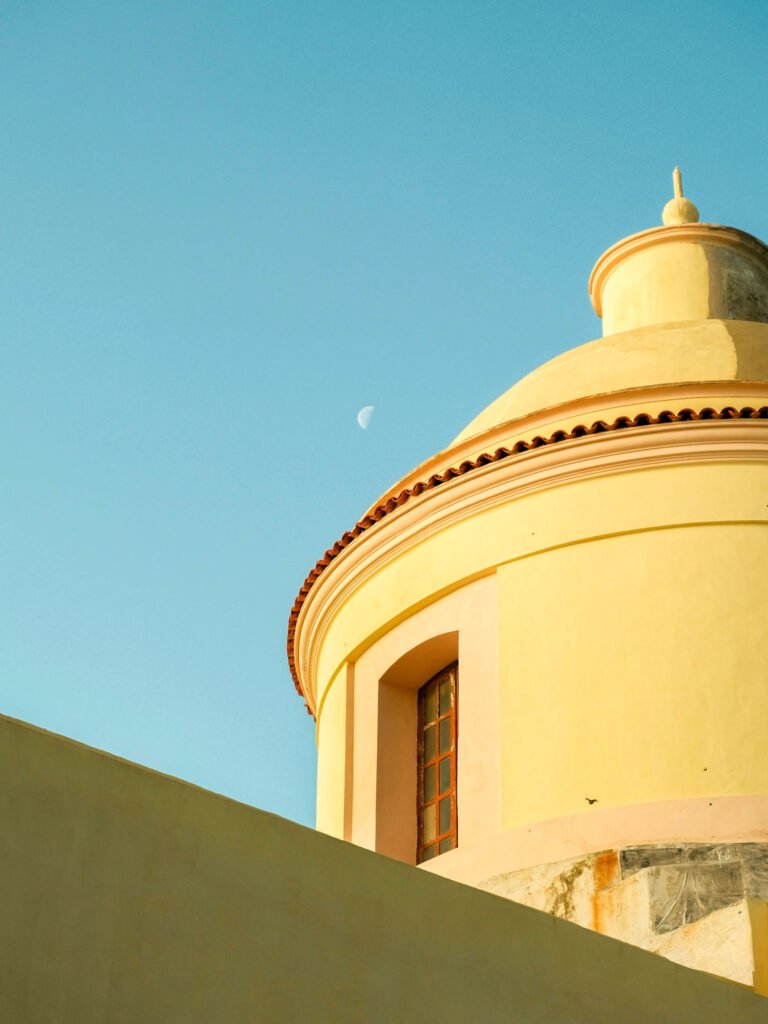
Thanks to past volcanic activity, Stromboli is nicknamed the ‘Lighthouse of the Mediterranean’ | Photo by Sara Abilova/Unsplash
Stromboli, Aeolian Islands
Staying on an island that is a vast, still-active volcano rising out of the sea may not sound like the ideal dolce vita escape – but then, you haven’t seen Stromboli. This rugged Aeolian island has black beaches, steaming hot springs, magnificent hiking trails and a smattering of low-key luxe hotels. The best beaches, restaurants and shops are clustered around San Vincenzo and Piscità at the island’s northeastern tip, where the ferries come and go. With a fraction of the tourists of its neighbours, Stromboli makes a great base for exploring the six other Aeolian islands.
Monte Isola, Brescia
A mountain in the middle of a lake, the northern Italian island of Monte Isola is dotted with sleepy fishing harbours and mesmerising water views at every turn. Explore its 12 traditional hamlets, nestled in the hills and along the shoreline, connected by footpaths through olive groves. Stay at Hotel Sensole, a 19th-century manor house turned boutique hotel, or on the mainland at L’Albereta, before taking a boat out to explore. Off the island, day trips run to Franciacorta to the south-east, a region known for producing Italy’s finest metodo classico sparkling wine.
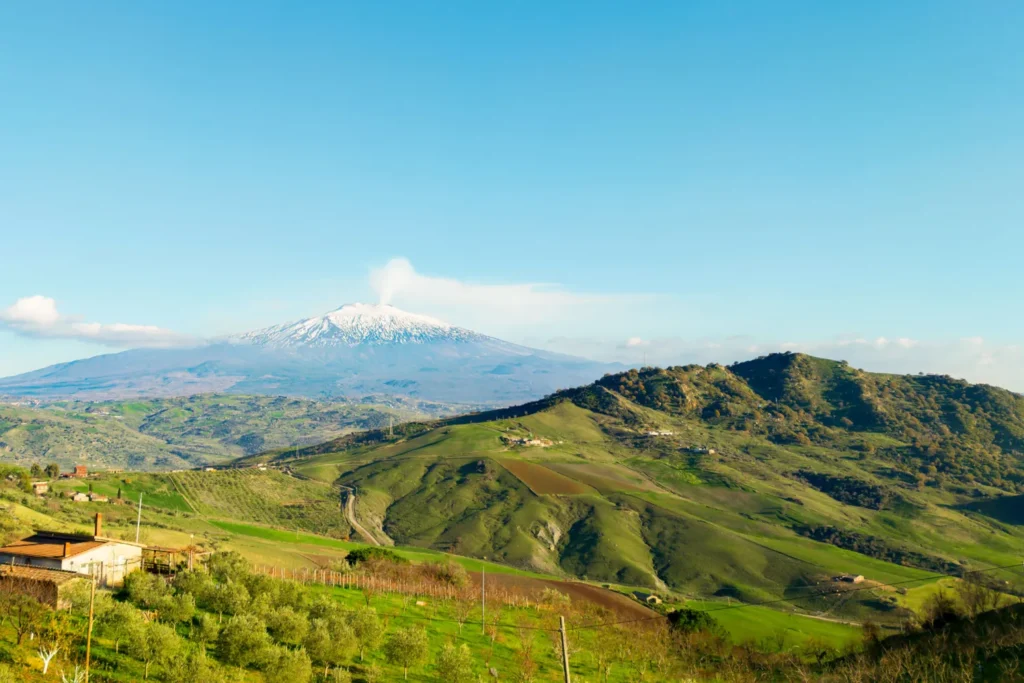
Head inland for a unique Sicilian experience | Photo by Giuseppe Famiani/Unsplash
Sicily
The largest of Italy’s islands is having a mini renaissance – and it’s not just down to The White Lotus putting cliffside Taormina on the map. With its nostalgic swim spots and bustling towns, Sicily’s coast has never been more popular. Rather than tracing the island’s circumference (and getting stuck in a traffic jam), head inland and you’ll find an altogether quieter, more rustic landscape of rolling farmland, followed by arid pastoral expanses and then lunar red-rock hills.
In the heat-baked heart of the island, Anna Tasca Lanza’s rustic cookery school occupies a distinguished aristocratic property, offering immersive culinary experiences to dedicated cooks. Close by, in the sleepy medieval town of Mussomeli, expat Australian Danny McCubbin has helped counteract the town’s slow decline by opening community project The Good Kitchen – working with charitable partners to give young people kitchen opportunities and feed vulnerable locals. Its regular open-to-all dinners are welcoming to visitors, too (and a good chance to ask locals about nearby spots to visit, including the excellent family-run Pizzeria Lucerna nearby).
Giglio, Tuscany
The silvery Etruscan Coast may not have the glitz of the Italian Riviera or the Amalfi Coast, but its seven islands are no less marvellous if you know where to look. The best-kept secret among Italians is little Giglio, named after the native sea lily that grows along its beaches in spring. A popular hiking destination thanks to its natural beauty and fine white-sand beaches, Giglio’s relative lack of accommodation keeps it manageably quiet even in peak season. If you’re visiting for the day, stroll a few minutes to the magnificent Cala delle Cannelle, a crescent-shaped bay with sparkling turquoise sea. To wake up mere metres from the water, pitch a tent at Campeggio Baia del Sole.